

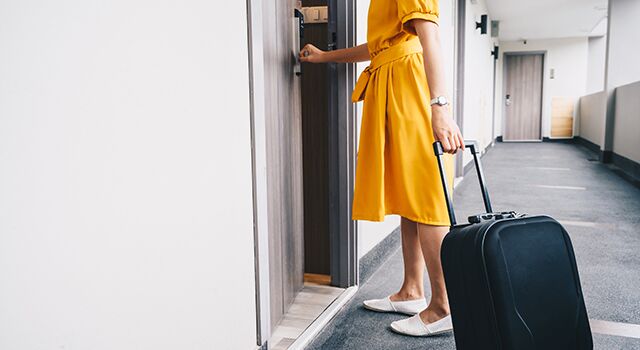
Loss of use coverage, also called additional living expenses (ALE) coverage, is a standard part of your homeowners insurance policy. It helps pay for extra living expenses when you’re unable to live in your home after a covered loss. Loss of use works the same way whether you have a home, condo or renters policy.
What does loss of use cover?
Loss of use coverage can reimburse you for temporary housing, meals and other reasonable living expenses if you are forced out of your home due to a covered loss. For example, if a fire severely damages your home, you may need temporary lodging while repairs are being made.
Sometimes the damage is so severe that you need to leave your home for weeks until it is repaired. When that happens, costs can pile up. Loss of use coverage typically includes the following expenses:
| Item | Details |
|---|---|
| Temporary housing | Loss of use can help pay for your lodging in a hotel, motel, apartment or rented house until your home repairs are complete. |
| Food and meals | Loss of use can cover the increase in spending above your normal food budget. For example, if your hotel doesn’t have a kitchen, you’ll have to eat out more. |
| Transportation | Loss of use can pay for any increase in transportation expenses, such as gas, parking fees and public transit fees. |
| Moving and storage | Loss of use can reimburse you for storing your possessions elsewhere until you return home. |
| Pet boarding | Loss of use can help pay for a kennel if your pets need a temporary place to stay. |
| Increased utilities | Loss of use can help cover the added cost of your electric bill if it is higher than your usual bill. |
What is my loss of use coverage limit?
Generally speaking, your loss of use coverage limit will be 20 percent of your dwelling coverage amount. For example, if you have $300,000 of dwelling coverage, your loss of use coverage limit will be $60,000.
How long does loss of use coverage last?
Some home insurance carriers may put a time limitation on your loss of use coverage. In that case, your coverage will only apply for a certain number of days. Be sure to read your policy to confirm what it covers.
What if I don’t have the financial means to stay in a hotel?
Insurance carriers want to make sure you have a place to stay after a disaster. For example, if your credit cards were destroyed in a home fire, most carriers will set you up in a hotel, usually through a partnership they have with a hotel vendor.
What is an insurance peril?
An insurance peril is an event that may damage your home or belongings. A covered peril means that your homeowners insurance will pay to repair any damage caused by one of these events. While covered perils vary by state, these perils are typically covered by your homeowners insurance:
- Fire
- Lightning strikes
- Wind
- Hail
- Falling objects
- Weight of ice and snow
- Vandalism
- Theft
What is not covered by loss of use?
Loss of use homeowners insurance coverage will not cover:
- Damage caused by floods, earthquakes and other uncovered perils
- Costs related to fixing pre-existing damage
- Routine costs (e.g., normal groceries, insurance, mortgage, childcare)
- Items unrelated to living expenses (e.g., personal debts)
- Non-essential luxury items
- Elective renovations or general maintenance
Does loss of use apply if my home is damaged in a flood?
Will loss of use coverage pay my mortgage?
Loss of use coverage will not pay your mortgage while repairs are being made to your home. However, it can pay for you to stay in a hotel.
When will I receive my loss of use payment?
Most insurance carriers will reimburse you as part of your claim’s final settlement, after all expenses have been incurred. Your carrier will want to see documentation of these expenses when you file your claim. That’s why it’s important to keep all receipts and carefully track all expenses related to your temporary housing and increased living costs.
Other standard home insurance coverages
If your home is badly damaged by a covered peril, like a fire or storm, the standard parts of your homeowners insurance policy will kick in. In addition to loss of use coverage, this includes your dwelling, other structures, personal property, personal liability and medical payments coverages.
- Dwelling — Pays to repair or replace your home if it is damaged by a covered loss, such as a fire or fallen tree. Includes all parts of your home’s structure, from the walls and roof to permanently installed fixtures.
- Other structures — Covers structures on your property that aren’t connected to your main house, such as garages, fences and sheds. The coverage limit is usually 10% of your dwelling coverage.
- Personal property — Covers your personal possessions, such as furniture, TVs, computers and some jewelry. Applies to the actual cash value of an item (i.e., its depreciated value), not its full replacement cost.
- Personal liability — Covers legal and medical costs if you’re responsible for injuring someone or damaging their property.
- Medical payments — If someone is injured on your property, this coverage can pay for their medical bills whether you are responsible or not.