

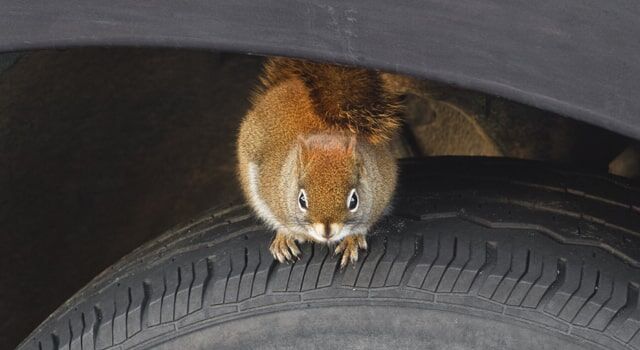
Yes, your auto insurance may cover rodent damage if you have comprehensive coverage. This is an optional insurance coverage that pays for damage to your car not related to a collision.
Does comprehensive coverage cover rodent damage?
Yes, comprehensive coverage may cover rodent damage. You must carry comprehensive coverage for insurance to pay for any damage caused by rodents in your car.
Comprehensive coverage pays for damage to your car not related to an accident. This includes things like:
- Natural disasters and storms
- Fires
- Theft
- Vandalism
- Damage caused by animals
What types of rodent damage does car insurance cover?
There are various damages that rodents can cause to your vehicle that may be covered by insurance including wiring, interior, engine and fuel system damage.
Wiring damage
If rodents chew on and damage electrical wiring, comprehensive coverage may cover the repair or replacement of the wires.
Interior damage
Engine damage
Fuel system damage
Coverage varies by insurer and policy. Before filing a claim for rodent damage, review your policy or contact your insurance provider to confirm whether the damage is covered and whether your deductible applies.
Filing a claim for rodent damage
We know that filing any kind of car insurance claim can be stressful. Plymouth Rock’s unique claims services will simplify the process, getting you back on the road in no time.
- File your claim — please have your policy number ready. You can file a claim online or by contacting us or your agent directly.
- Assignment and tracking of the claim — after you report your car insurance claim, you’ll receive a claim number to help track its progress. We’ll also assign you a friendly representative to answer any questions you may have.
- Damage evaluation — if your vehicle has damage and the applicable coverage applies, we offer these convenient options to get you back on the road as soon as possible:
- CarPics® Photo Appraisals: Eliminate the need to schedule a claims inspection and receive your estimate within hours. You may even get paid that same day.*
- Crashbusters® Mobile Claim Service: Have a representative meet you to appraise the damage at a time and place that’s convenient for you, often issuing you a check on the spot.
- Door to Door Valet Claim Service®: Let us pick up your car and handle the repair process from start to finish. If you have rental coverage, we’ll even coordinate a rental car.
- Receive your claim settlement — based on your situation, Plymouth Rock may pay your claim to the repair shop or we may reimburse you directly. Your claim payment will be based on the terms and coverage in your car insurance policy.
Limits and exclusions in rodent damage coverage
The limits and exclusions depend on the specific language of your policy. In general, comprehensive coverage helps pay for accidental damage not resulting from a collision. Damage caused by rodents is typically included in comprehensive coverage.
Since rodent damage is covered under comprehensive coverage, you need to pay a deductible before your insurance will help pay for expenses.
A deductible is your share of the cost for an insurance claim. A deductible is what you pay before your insurance starts paying for expenses.
For example, say a squirrel damages a wiring harness in your car and your comprehensive deductible is $500. It costs $1,000 to fix your car. In this case, you would pay $500 and your insurance will cover the remaining cost.
What type of rodent damage is not covered?
Comprehensive coverage will not apply if the rodent damage is a result of neglect or a lack of maintenance. If you have a known rodent issue and didn’t address it until it was too late, the damage may not be covered.
Comprehensive coverage will also not cover pre-existing damage. For example, if you have a vehicle with rodent damage that occurred before you purchased it, your insurance will not pay to repair it.
How to prevent rodent damage
- Park in a sealed garage and seal any gaps with weather stripping or steel wool.
- Keep your car clean. Vacuum crumbs and remove food wrappers promptly.
- Remove nearby food sources like bird feeders, pet bowls, and open trash cans.
- Inspect under the hood regularly for droppings, chew marks, or nesting material.
- Use deterrent sprays. Peppermint oil and capsaicin-based products work well around the engine bay.
- Run your engine regularly to discourage nesting with noise and vibration.
- Move your parking spot if you notice rodent activity nearby.
Need help? We’re here for you.
Phone

Online

Home insurance for Connecticut, Massachusetts, new Hampshire, New Jersey, New York and Pennsylvania
Agent

* Certain restrictions apply.
This page is for informational purposes only. Actual coverage may vary and is subject to the policy issued by your insurer. Restrictions and limitations may apply. Review your policy and consult a licensed insurance professional to learn more about your coverage.