

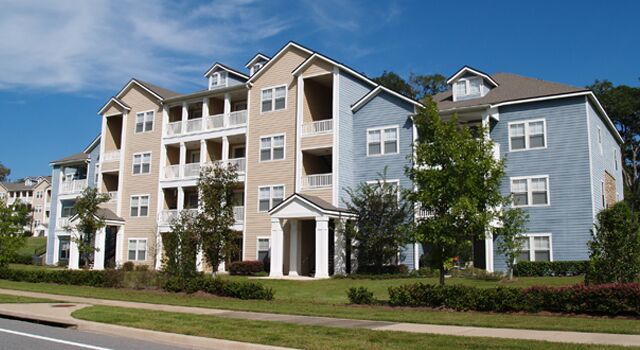
While a standard renters insurance policy covers many things, including personal items and personal liability, it doesn’t cover all losses. For example, you’re not covered for natural disasters that aren’t specifically listed in your policy, such as floods and earthquakes. You’re also not covered for damage that you cause intentionally or any losses related to a personal business.
Things not covered by renters insurance
Unfortunately, not all losses are covered by your renters insurance policy. Here are some events and items that typically aren’t covered:
- Damage caused by natural disasters
- Damage caused by you
- Damage caused by pests
- Damage caused by mold
- Your roommates’ belongings
- High-value items
- Items for business use
- The building itself
- Your vehicle
Damage caused by natural disasters
Floods, earthquakes and sinkholes are all examples of natural disasters that are not covered by a typical renters insurance policy. These events can easily damage your personal property, so you should protect yourself if you think you are at risk.
If you live in a low-lying area, you should consider buying a separate flood insurance policy. This will protect you from damage caused by rising waters. Remember, your renters policy will usually protect you from damage caused by falling water. Examples include water that enters the building through a hole in the roof or from a broken pipe.
Similarly, if you live near a fault line, you should consider a separate earthquake policy. And if you live in an area with unstable bedrock, you should consider a sinkhole policy.
Damage caused by you
Accidental or intentional damage, whether it’s caused by humans or pets, is not considered a covered loss or event. As a result, your insurance carrier won’t pay to repair or replace the damaged item. For example, if a fire damages your laptop, your renters insurance policy will pay to replace it. But if you accidentally drop a bowl of soup on your laptop and damage it, your policy won’t cover it.
Damage caused by pests
A typical renters insurance policy won’t cover personal property damage caused by pests, such as mice, rodents, termites or bed bugs. It won’t pay the cost to exterminate pests, either. The reason is because pest infestation is considered a maintenance issue.
Your best course of action is to prevent pests from appearing in the first place. Do your best to throw away clutter, properly dispose of garbage and keep your kitchen clean. If that doesn’t work and you still discover pests, you should notify your landlord right away.
Damage caused by mold
For the most part, mold damage isn’t covered by renters insurance because mold grows over time. Usually, it’s the result of a longstanding maintenance issue or flooding. On the other hand, if the mold is caused by a sudden event—such as a burst pipe or storm—there’s a chance your renters insurance policy may cover the replacement of damaged or destroyed items.
Either way, your best bet is to immediately report any leaks or water damage to your landlord, so they can fix the issue before mold has a chance to form.
Your roommates’ belongings
If a covered event damages both your belongings and your roommate’s belongings, your renters insurance policy will only protect your property. To be covered, your roommate should buy their own renters insurance policy.
There is one exception to these rules. If your roommate is also your relative or spouse, their property will be covered by your renters policy.
High-value items
Most renters insurance policies limit the coverage of certain high-value items like jewelry, antiques, musical instruments and rare collections. For example, let’s say a single piece of jewelry has a coverage limit of $1,000. Anything over that value is excluded from renters insurance plans.
As a result, you’ll need to purchase extra coverage—called an endorsement—for each high-value item that you own. An endorsement will raise the coverage limit of a specific item or categories of items.
Items for business use
Renters insurance policies typically exclude items related to business use. Let’s say you operate a small business out of your apartment. If a fire damages your business computer, your renters policy will not cover the loss.
Fortunately, most insurance carriers offer an endorsement that would protect you in such a situation. The add-on coverage will pay to replace any business equipment that gets damaged in your apartment by a covered loss.
The building itself
If you damage the physical structure of your apartment, your renters policy won’t pay to repair the damage. That’s because renters insurance only covers the renter and the renter’s personal property. It does not cover damage to the building itself. Your landlord will have a separate insurance policy that covers the building structure, the appliances and the grounds around the property.
This distinction is one of the reasons why renters insurance is more affordable than homeowners insurance.
Your vehicle
Many renters believe their rental insurance will protect them if their car is damaged or stolen within the limits of their rental property. This isn’t true. In that scenario, your auto insurance would apply.
Renters insurance does cover any personal property items that are inside your car, though—no matter where your car is at the time of the incident. For example, if your cell phone is stolen from your car while it’s parked at work, renters insurance will pay to replace it.
What is renters insurance?
Renters insurance is a must-have for any smart renter, as it offers several different types of protection. It protects your personal property, provides liability and medical coverage, and pays for emergency living expenses if you need to stay in a hotel while your home is being repaired.
Here are the standard coverages that come with a typical renters insurance policy:
Personal property
Renters insurance pays to repair or replace your personal belongings if they get damaged or stolen. It’s a good idea to complete a home inventory of your belongings before purchasing a renters policy. Your renters insurance carrier is more likely to pay out claims accompanied by detailed documentation.
Liability and medical
Renters insurance can help pay for your defense and court costs if someone brings a claim or lawsuit against you. It can also pay for necessary medical expenses for guests who are accidentally injured in your unit. For example, if a guest at your home trips and falls, we could help cover their medical expenses.
Emergency living expenses
If you’re temporarily forced out of your apartment due to a fire or some other covered event, renters insurance will help with emergency living expenses. Examples include your hotel, meals and other related expenses.