

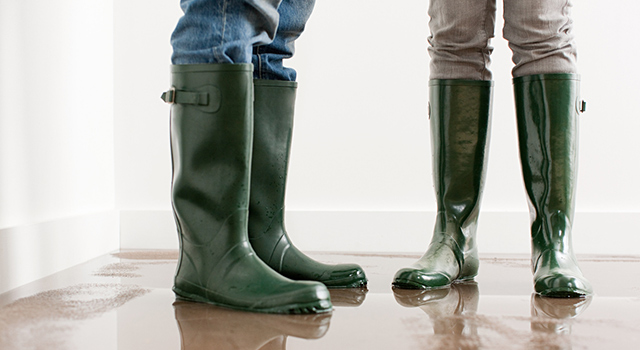
Sometimes water damage is covered by a standard homeowners insurance policy, and sometimes it isn’t. It all depends on what caused the damage in the first place. Water damage that is considered “sudden and accidental” will most likely be covered by your home policy.
When does home insurance cover water damage?
Homeowners policies typically cover water damage when it’s deemed sudden and accidental. After you submit the claim, an adjuster will carefully examine the facts of the loss as well as your homeowners policy. They will then determine if the water damage was sudden and accidental, or if you could have prevented it from occurring.
When does home insurance not cover water damage?
Water damage isn’t always covered by your home insurance. Generally speaking, if the damage is the result of neglect or lack of maintenance on the homeowner’s part, then the homeowner policy won’t cover it.
For example, a standard homeowners insurance policy wouldn’t cover water damage caused by mold if the mold was in plain sight, such as on your bathroom ceiling. Basic home insurance also won’t cover water damage caused by flooding, water or sewer backup, or groundwater seepage.
Here are some more tips on what is and isn’t covered:
| Cause of Damage | You May Be Covered If ... | You May Not Be Covered If ... |
|---|---|---|
| Appliance or hot water heater leak | Water unexpectedly started leaking out of a hose or pipe | You were aware of the leak for many weeks and did nothing |
| Toilet overflow | The overflow was caused by a pipe blockage on your property | The pipe blockage happened away from your property |
| Ice dam | The ice dam damaged the structure of your home | The ice dam only damaged your personal property |
| Rain | Water leaked into your home after a heavy rainstorm | Rain water on the ground seeped into your home |
Optional coverages
Standard homeowners insurance policies only cover certain types of water damage. Fortunately, you can buy extra coverage to maximize your protection. The following optional coverages may cost you more up front, but provide greater peace of mind:
Flood Insurance
Just a few inches of floodwater inside your home can be an expensive problem. Unfortunately, homeowners insurance does not cover damage caused by flooding, whether it’s from a heavy rainstorm or a river overflowing its banks.
If you want coverage for flood damage, you’ll have to buy a separate flood insurance policy. You can buy one from a private flood insurance company or purchase a FEMA flood insurance policy.
Water or sewer backup
This optional insurance coverage protects homeowners who file water damage claims caused by overtaxed sump pumps.
Example: If a sump pump fails and the resulting water damages the finished flooring in your basement, water backup coverage will pay to replace the flooring to the endorsement limit, but not the pump itself.
Mold coverage
Mold won’t be covered if it’s in plain sight, such as on your ceiling, and you did nothing to address it. On the other hand, if the mold is hidden from view, such as behind a wall, then your policy could pay to repair the damage. To better protect yourself, ask your home insurance carrier if you can add an optional mold endorsement to your policy.
Special personal property
Your standard homeowners insurance policy only covers personal property for specific causes of loss, or perils. These causes are listed on your policy. The special personal property endorsement—also known as open peril coverage—expands that list to include many additional causes.
Example: If your television and computer are damaged by water from an ice dam, you’d be out of luck with a standard policy. But if you add the special personal property endorsement, your possessions will be covered.
How to file a water damage claim
If you discover water damage in your home, contact your insurer right away, then take pictures of the damage to better support your claim. Here’s what you should document:
- The general area affected by the water
- The specific property that was damaged
- Where the water came from (e.g., burst pipe, hole in the roof)
If possible, look for any photos of the affected area before it was damaged.
What if I need to make emergency repairs before the adjuster comes?
Controlling the damage so it doesn’t worsen is required by your policy. You can do this yourself or hire a trained mitigation expert, such as a roofer or plumber. Remember to take pictures of the area before any repairs are done and keep receipts for any materials that you purchase.
Will someone investigate my claim?
Yes, your homeowners insurance carrier will investigate your water damage claim. An insurance adjuster may simply ask you questions about the incident or inspect the property in person to help them determine if the damage is covered by your policy.
Will I need to pay a deductible?
Yes, if the water damage is covered by your homeowners insurance policy, you’ll be responsible for paying a deductible. A deductible is the amount of money you pay out of pocket before your home insurance kicks in.