

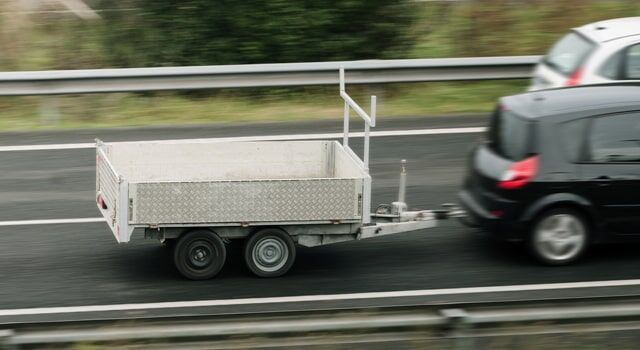
Towed vehicles are only covered if they have their own insurance plan. Vehicles being towed are not typically covered by the policy of the vehicle doing the towing.
For example, say you’re towing your sedan with your pickup truck, and you have comprehensive and collision coverage on each of those vehicles. If any damage happens to your sedan while it is being towed, the policy covering the sedan will cover damage to it. If any damage happens to your truck, your truck’s policy will cover it.
Not every insurance carrier operates this way, and it is important to check with your insurance provider.
Understanding car insurance coverage
A typical car insurance policy may cover your medical expenses, bodily injury liability and property damage liability in the event of a car accident.
Medical expense coverage
Medical payments coverage (MedPay) and Personal Injury Protection (PIP) help pay for your medical bills because of a car accident.
Liability coverage
Protects you if you’re held responsible for injuring someone or damaging their property in a car accident.
Optional coverages
Comprehensive coverage
Pays for damage to your car caused by events such as fire, theft or vandalism; in other words, damage caused by something other than a collision.
Collision coverage
Helps you pay for physical damage to your car if you’re involved in a covered accident.
When does insurance not cover towed vehicles?
The most common situation where insurance will not cover towing is if the towed vehicle does not have its own policy. This is also the case even when the towed vehicle is not another car, like a boat or motorcycle. Your car’s comprehensive or collision coverage will not cover any additional vehicles it is towing.
Most insurance companies will not pay collision or comprehensive claims if the vehicle is damaged via tow due to repossession by a lienholder or confiscation by law enforcement.
If you’re towing a trailer with personal belongings inside, coverage for those items may depend on your insurance policy and coverage limits. Your auto insurance may cover damage to the trailer itself if it is separately insured, but some policies may only provide limited coverage for personal items in a trailer that are damaged in an accident.
In some cases, homeowners or renters insurance may help cover belongings inside the trailer, and certain coverages may also reimburse damaged personal effects, such as laptops or prescription eyeglasses, up to a specified limit.
Does car insurance cover towing a rental?
No, your personal car insurance policy will likely not cover damage to a towing rental, like a moving truck or van. Similarly, your insurance may not cover damage to a trailer that you rent even if you tow it with your personal vehicle.
Your personal car insurance policy will likely not cover your liability if you injure someone or damage property driving the moving truck. There is a possibility of coverage in a situation like this, but it will require a thorough investigation by a claims representative.
Most trailer rental companies will offer their own insurance you can purchase when you rent a truck or trailer. Additional insurance can give you peace of mind, especially if you’re not used to driving a large vehicle or towing a trailer. Check in with your rental company for their specific policies and coverage details.
Additional towing coverage
If your car insurance policy doesn’t already come with protection for a trailer, you may be able to purchase additional trailer coverage. Again, any towed vehicles are not covered under the towing vehicle’s policy and need separate policies.
If you’re planning to transport a vehicle that is not insured under your policy by towing, you can’t use roadside assistance or towing coverage to do that. Roadside assistance and towing coverage only helps reimburse you to tow your insured vehicle in the event of a disablement.
5 tips for vehicle towing
Keep the following safety tips in mind to make your next towing trip a success:
Preparation
Make sure that the vehicle you’re using to tow is in good shape, and that the towed vehicle is properly secured to the trailer or dolly. Inspect your equipment regularly for signs of wear before each towing trip. Look up the proper towing procedure for both the towing vehicle and the vehicle being towed.
Towing capacity
Ensure your towing vehicle is rated to tow your trailer’s weight. Exceeding the towing capacity can quickly damage both the towing vehicle and the towed vehicle. It can also cause you to lose control of the vehicle while you’re towing, presenting a danger to yourself and others on the road.
Weight distribution
Load the vehicle evenly on the trailer or dolly. Keeping the weight evenly distributed prevents dangerous swaying or fishtailing. It will also reduce stress on your equipment.
Safe driving
Drive even more cautiously and defensively while towing. Keep a safe following distance from other vehicles, as you will need distance to slow down. Drive gently and avoid harsh braking or sudden movements.
Plan your route
One of the most important things to keep in mind while you’re towing is your route. Be aware of potential obstacles like steep inclines, narrow roads, height restrictions, sharp turns or weight restrictions. Plan your route to be safer, even if it means a longer travel time.
Need help? We’re here for you.
Phone

Online

Home insurance for Connecticut, Massachusetts, new Hampshire, New Jersey, New York and Pennsylvania
Agent
