

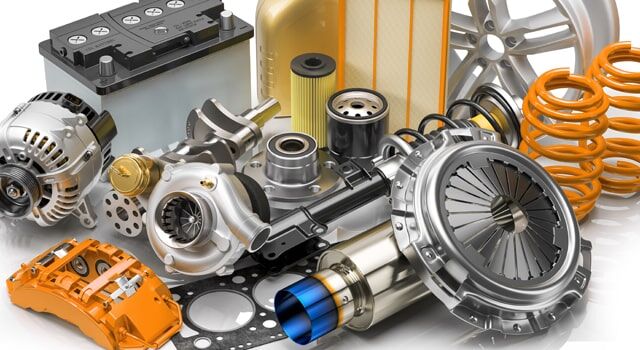
If your car needs repairs, depending on your coverage you may have to choose between Original Equipment Manufacturer (OEM) and aftermarket car parts. Understanding the differences can help you decide which option is best for your vehicle, your budget, and your repair needs.
What are OEM parts?
OEM parts are the ones used in the original manufacturing of your car. Sometimes, an OEM part can also be called a factory or original part.
When it’s time to replace worn or damaged parts of your car, you can get OEM parts for the repair. You can either source them new or used. Since an OEM part is identical to the one your car was designed with, it will always fit and work with your car as the manufacturer intended.
What does aftermarket mean for car parts?
An aftermarket part is anything not made by an original equipment manufacturer. Think of these as the “generic version” of an OEM part. Many aftermarket parts can meet or exceed OEM quality, without the price tag of having a brand name attached.
When looking at parts, look for certified aftermarket parts that are made specifically for your vehicle. For example, the Certified Auto Parts Association (CAPA) tests aftermarket parts for safety and compatibility.
Are OEM parts better than aftermarket parts?
Neither option is inherently better than the other; it ultimately depends on what you are looking for. OEM parts provide guaranteed fit and manufacturer-backed quality, while aftermarket parts can offer lower costs and, in some cases, exceed quality. The better choice comes down to your preference, whether that is reliability, price, or enhanced performance.
What are remanufactured parts?
A compromise between OEM and aftermarket solutions is remanufactured OEM parts. These are original parts that have been repaired and tested to their original specification. Remanufactured OEM parts meet the same standards as new parts at a fraction of the price.
There are cases where OEM parts are discontinued. In these cases, the only options are to source a remanufactured part or to get an aftermarket one.
What is the difference between auto parts?
| OEM Parts | Aftermarket Parts | Remanufactured Parts |
|---|---|---|
| Parts used in the original manufacturing of a vehicle | Parts not made by an original manufacturer | Original manufacturer parts that have been repaired and tested |
Does insurance pay for OEM or aftermarket parts?
Insurance companies may cover both OEM and aftermarket car parts. In some cases, insurers use aftermarket parts for repairs, while others may offer OEM part endorsements. Ultimately, your insurance provider may decide which type of parts they will use, always choosing parts of like kind and quality.
Coverage depends on the details of your specific auto insurance policy, so it’s important to check with your insurance provider to understand which types of parts are included. Between your insurance provider and repair shop, they will work together to do all the searching and ordering so you don’t have to.
Need help? We’re here for you.
Phone

Online

Home insurance for Connecticut, Massachusetts, new Hampshire, New Jersey, New York and Pennsylvania
Agent

This page is for informational purposes only. Actual coverage may vary and is subject to the policy issued by your insurer. Restrictions and limitations may apply. Review your policy and consult a licensed insurance professional to learn more about your coverage.